Want a Germany road trip you can actually follow without overplanning? Start with an official themed route. Germany has dozens of signposted holiday roads. They link places that already work well for travellers. You get scenic drives, useful stops, and plenty of campsites.
This guide covers five popular routes that suit a global audience, especially EU travellers. Each one works for a campervan or motorhome. Keep your days flexible. Then let the route do the work.
If you still need a vehicle, you can compare options and book through Campstar.
Before you go, sort overnight stops. Germany has many stellplätze and campsites. For smarter overnight planning, use this internal guide on free RV parking worldwide.
Quick planning checklist
- Aim for 2 to 4 hours of driving per day
- Arrive at your overnight stop by mid afternoon in peak season
- Keep cash or a card ready for stellplätze machines
- Carry levelling ramps for uneven pitches
1. The Romantic Road (Romantische Straße)
If you want classic Germany, start here. The Romantic Road runs from Würzburg to Füssen. It strings together medieval towns, small cities, and big highlights. It also feels easy to follow. Signs help, and stops sit close together.
Best stops to include
Würzburg gives you a strong start, with baroque architecture and river views. Next, aim for Rothenburg ob der Tauber. It delivers the famous walled old town look. After that, Dinkelsbühl and Nördlingen add variety without big detours.
Then head south towards Augsburg and the Alpine foothills. Finally, finish near Füssen. That puts you close to Neuschwanstein and the lakes.
Practical tips
Drive this route in 4 to 7 days. Short hops work best here. Also, park outside old towns and walk in. Streets can be tight. In summer, book campsites early near Füssen.
For wider destination ideas across Germany, the German National Tourist Board has route suggestions and regional guides on Germany Travel.
2. The German Alpine Road (Deutsche Alpenstraße)
This route suits you if you want mountains and lakes. It runs across the Bavarian Alps from west to east. You get big scenery almost every day. However, the roads slow you down. That is a good thing. It forces a calmer pace.
Best stops to include
Start near Lake Constance if you want a long trip. Otherwise, join the route in the Allgäu. From there, you can swing past Füssen. Then continue towards Garmisch Partenkirchen. After that, aim for the lakes around Walchensee or Tegernsee. Finally, finish in Berchtesgaden.
Königssee makes a strong final stop. So does the Eagle’s Nest area, if you want the view.
Practical tips
Expect curves and gradients. So, keep your daily distance modest. Check your vehicle weight and braking feel before the steep parts. Also, watch tunnel and parking height limits in alpine towns.
3. The Black Forest High Road (Schwarzwaldhochstraße, B500)
Want a shorter scenic drive that still feels special? Choose the Black Forest High Road. It links Baden Baden with the higher ridges of the northern Black Forest. It gives you viewpoints, forest lakes, and easy detours.
Best stops to include
Start in Baden Baden for a relaxed morning. Then climb into the forest. Stop at Mummelsee for a quick walk. After that, use viewpoints along the ridge roads. If you have time, add a detour to a waterfall trail.
You can also base yourself near Freudenstadt. Then you can explore without moving campsites every night.
Practical tips
This road attracts day trippers. So, start early in summer. Also, park at signed areas only. Some laybys fill fast. In winter, check for ice and snow.
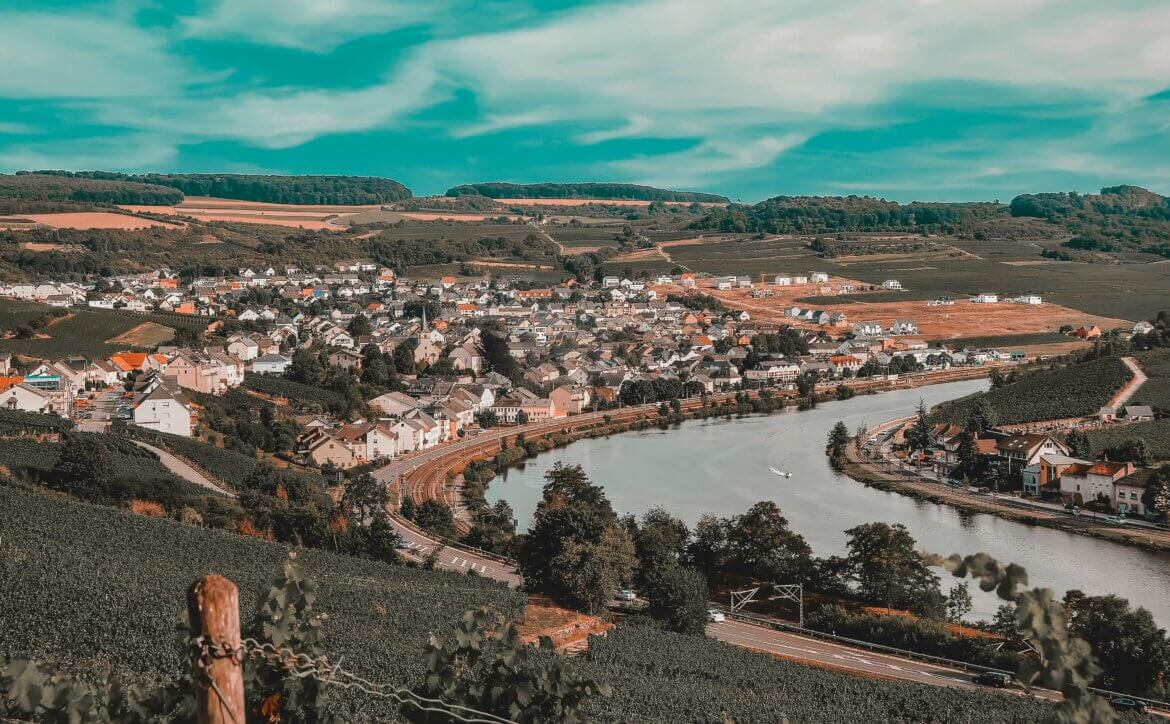
4. The Moselle Valley Route (Mosel)
If you want an easy, relaxed drive, pick the Moselle. The road follows the river through vineyard hills. You pass small towns every few kilometres. That makes it perfect for slow travel and short driving days.
Best stops to include
Cochem works well for a first base. It has a castle above town and many camper options nearby. Then move towards Bernkastel Kues for classic river scenery. After that, consider Trier if you want Roman history and a larger city feel.
Between stops, pull into viewpoint areas when safe. The landscape changes quickly around bends.
Practical tips
In peak season, arrive early for riverside stellplätze. Also, keep an eye on cyclists and narrow village streets. Finally, plan wine tastings on walking days, not driving days.
 5. The Wadden Sea Coast (North Sea)
This route suits nature lovers. It also gives you a different side of Germany. You get tidal flats, wide beaches, and coastal towns. The key experience here is the Wadden Sea. It forms the world’s largest intertidal mudflat system. UNESCO lists the Wadden Sea as World Heritage, which shows its global value.
If you want an authority overview of the site, use UNESCO’s page on the Wadden Sea.
Best stops to include
Use Hamburg as a gateway if you fly in. Then head towards the coast. Consider Cuxhaven for access to mudflats and boat trips. St Peter Ording adds long beaches and dunes. If you want islands, look at ferry links for day trips.
Practical tips
Tides shape your day. So, check local tide tables before a mudflat walk. Join a guided walk if you go onto the flats. Also, expect wind. Pack layers, even in summer.
How to choose the right route
Still not sure where to start? Use these simple picks.
- Choose the Romantic Road for towns and classic sights
- Choose the Alpine Road for big scenery and hiking
- Choose the Black Forest for a short scenic drive
- Choose the Moselle for relaxed river travel
- Choose the Wadden Sea for coastal nature
If you want to combine two routes, pair the Romantic Road with the Alpine Road. They overlap near Füssen. Alternatively, pair the Moselle with a few days in the Black Forest.
Final tips for a smoother trip
Keep your plan light. Germany rewards flexibility. However, you should still do three things.
First, decide your overnight strategy early. Second, keep driving days short. Third, treat city centres as walking zones.
With that in place, these motorhome tours become easy to follow. They also stay fun, even in peak season.