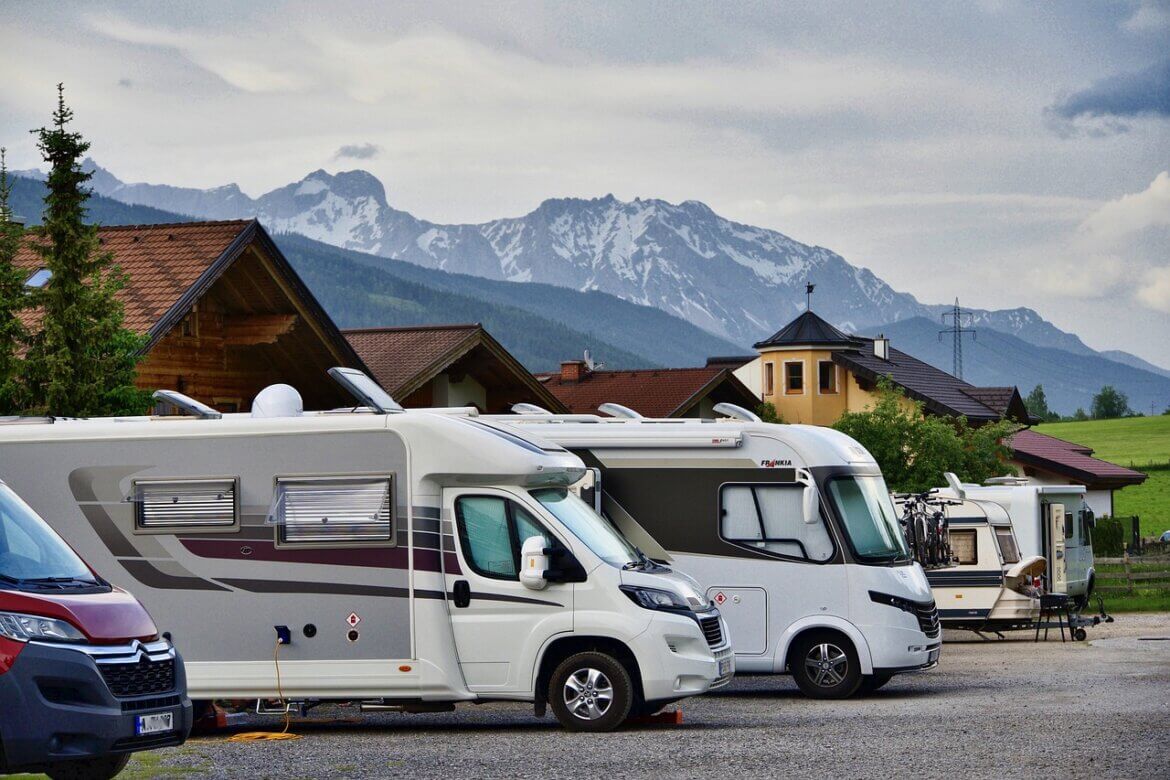
Renting a motorhome for the first time is exciting, but it can also feel confusing fast. You search for options and suddenly everything is labelled Class A, Class B, or Class C. If you have never travelled by motorhome before, those labels do not mean much on their own.
The good news is that motorhome classes are not complicated once you see how they affect real travel. They mainly describe size, layout, and how the vehicle feels to drive. If you understand that, choosing the right motorhome becomes much easier, especially if you are renting in Europe or planning a multi-country trip.
This guide breaks down motorhome classes in a practical way, with a clear focus on renters, not buyers.
What Do Motorhome Classes Actually Mean?
Motorhome classes apply only to drivable RVs. They do not include caravans or trailers.
There are three main motorhome classes worldwide:
Class A
Class B
Class C
The names come from North America, but the concepts exist globally. In Europe, you might hear terms like integrated motorhome, coachbuilt camper, or campervan. The layouts are still comparable, even if the naming changes.
When you rent a motorhome, the class affects:
How confident you feel driving it
Where you can park or camp
How flexible your route can be
How comfortable long days on the road feel
Class A Motorhomes: Maximum Space, Minimum Flexibility
Class A motorhomes are the biggest motorhomes you can rent. They look like touring coaches, with a flat front and a wide, box-shaped body.
Inside, they feel spacious. There is room to stand, move around, and separate living areas properly. Many travellers like Class A motorhomes because they feel close to a small apartment on wheels.
That comfort comes at a price.
Driving a Class A motorhome requires confidence. In the UK and much of Europe, licence rules are also tied to vehicle weight, which can further limit which large motorhomes are practical to rent. These vehicles are wide, long, and heavy. On motorways they feel stable, but on narrow roads or in small towns they can quickly become stressful. Parking also takes planning, especially in Europe where campsites and city parking areas are often compact.
For renters travelling mainly through the EU, Class A motorhomes can feel oversized. In countries like Iceland, the UK, or Germany, you may find yourself avoiding certain roads or campsites simply because of the vehicle’s size.
Class A works best if your trip focuses on:
Large campsites or RV parks
Long stays in fewer locations
Straightforward routes
If your plan involves frequent stops, scenic backroads, or city visits, a smaller class usually makes the trip more enjoyable.
Class B Motorhomes: Campervans That Fit Real Travel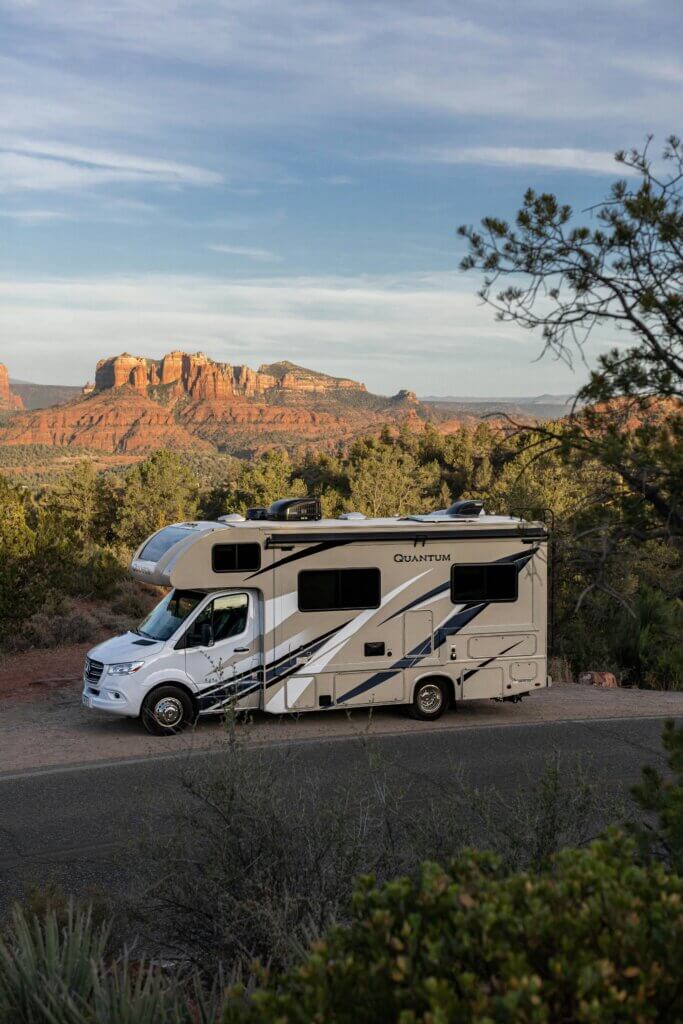
Class B motorhomes are better known as campervans. They are built on standard van bodies and are the smallest motorhome class.
For many first-time renters, this is where motorhome travel finally clicks.
A campervan feels familiar to drive. You sit lower, the vehicle responds quickly, and tight roads feel manageable. Parking is easier, fuel costs stay lower, and spontaneous stops become possible. This matters a lot in Europe, Australia, and New Zealand, where routes often pass through villages, coastal roads, and mountain areas.
Inside, space is used cleverly rather than generously. You usually get:
A sleeping area for two
A compact kitchen
Smart storage solutions
Bathrooms vary. Some campervans include a toilet or small wet bath, while others rely on campsite facilities. If this matters to you, it helps to understand how motorhome toilets work before choosing a layout.
Class B motorhomes suit travellers who value freedom over space. They are especially popular for road trips with frequent movement and changing plans.
Class C Motorhomes: The Best All-Rounder for Renting
Class C motorhomes sit between Class A and Class B. They usually have a sleeping area above the driver’s cab, which gives them their distinctive look.
For renters, Class C often feels like the safest choice.
You get more space than a campervan without dealing with a bus-sized vehicle. Driving still feels manageable, especially compared to Class A. At the same time, you gain proper living zones, including a fixed bed and a bathroom.
A typical Class C layout includes:
A cab-over double bed
Additional sleeping in the rear or dining area
A kitchen with fridge and stove
A full bathroom
This makes Class C motorhomes popular with families and small groups. They also work well for longer trips, where having a bit of personal space becomes important.
Globally, Class C motorhomes are widely available. In Europe they are often called coachbuilt motorhomes. In the USA and Canada, they dominate rental fleets. In Australia and New Zealand, they are one of the most common rental options.
Motorhome Classes and Country Differences
While the class system is global, some regional differences matter.
In Europe and the UK, roads are narrower and campsites smaller, which makes vehicle size a practical consideration rather than a preference. This makes Class B and smaller Class C motorhomes more practical. In Iceland, wind and road conditions also favour mid-sized vehicles.
In Australia and New Zealand, campervans and Class C motorhomes dominate. Very large Class A motorhomes are uncommon and often impractical.
In North America, all three classes are common, but even there many first-time renters prefer Class C for balance.
Choosing the Right Motorhome Class as a Renter
If you are renting, think about how you want to travel, not how impressive the vehicle looks.
Ask yourself:
Do I want flexibility or maximum comfort?
Will I drive through cities or rural areas?
How confident am I behind the wheel?
How often will I change locations?
For most beginners, smaller motorhomes lead to better trips. They reduce stress and increase route options. Many travellers who start with a large motorhome later downsize after real-world experience.
If you want to compare motorhome classes across countries and routes, platforms like Campstar make it easier to see what actually fits your trip.
Final Thoughts
Motorhome classes are not about better or worse. They are about fit.
Class A offers space but limits flexibility.
Class B offers freedom but limits comfort.
Class C balances both.
If this is your first time renting, aim for confidence, not complexity. The right motorhome class will make your road trip feel natural, not exhausting.